Natural Light Options: Discovering Different Types of Rooflights
Natural light serves a crucial function in the field of architectural design. It boosts the aesthetic quality of spaces while encouraging energy conservation. Multiple rooflight choices, spanning traditional skylights to innovative tubular designs, present unique advantages. Each design meets specific needs and preferences, shaping both the interior setting and overall performance. Grasping these alternatives is key for anyone exploring ways to thoughtfully bring natural light into their living or working spaces. What elements should be taken into account when choosing the most suitable rooflight?
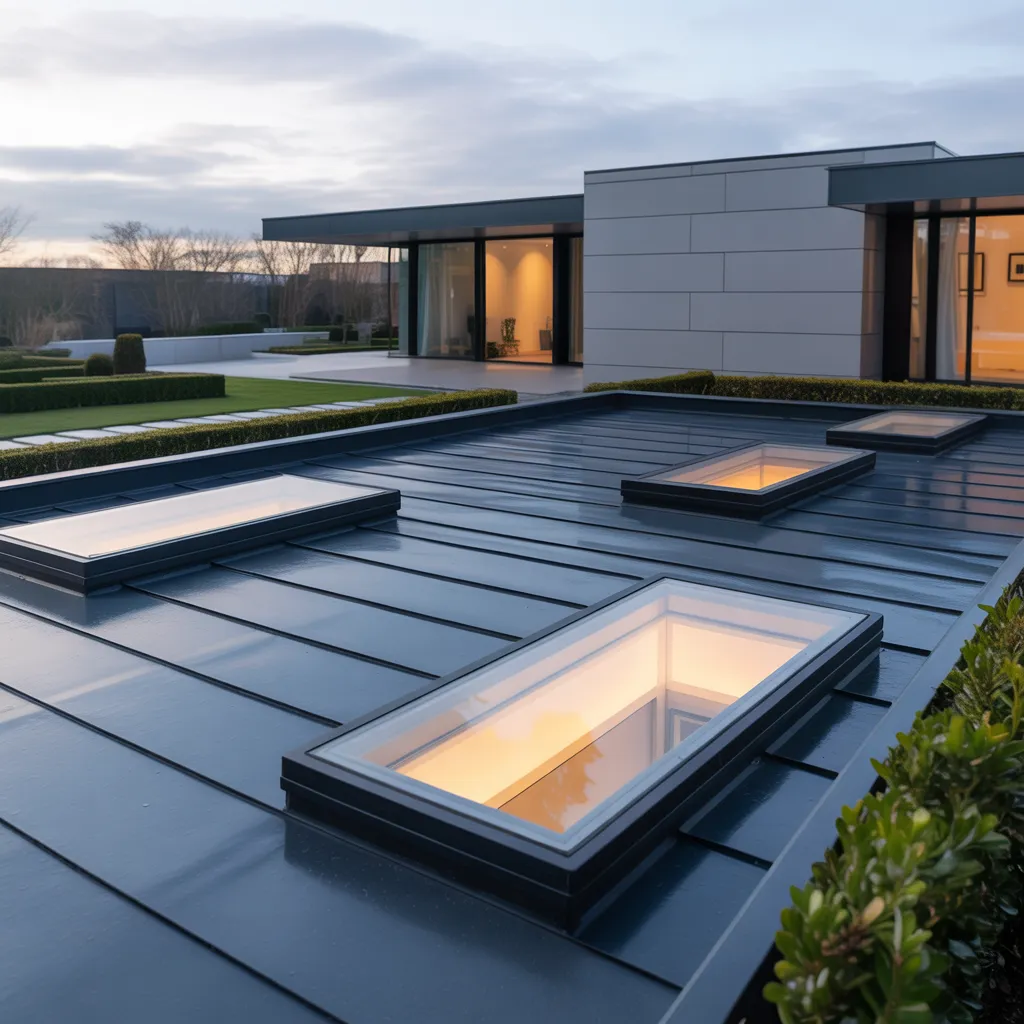
The Benefits of Natural Light in Architecture
Natural light plays a significant role in architectural design, as it not only illuminates spaces but also influences the atmosphere and usability of interiors. It establishes a bond between the interior spaces and the outdoors, supporting the health and comfort of inhabitants. Designers harness natural light to develop vibrant spaces that transform across daylight hours, reshaping the mood and enriching the visual experience.
Furthermore, the application of natural light can decrease dependence on artificial lighting, resulting in lower energy usage and expenses. In residential spaces, it can make areas feel more spacious and inviting, while in commercial environments, it can boost output and inventiveness. The thoughtful installation of windows and openings increases daylight penetration, maximizing the benefits of sunlight. Moreover, natural light can reveal the true colors and textures of materials, enhancing the overall beauty of a structure. Ultimately, the integration of natural light in architecture is crucial for eco-friendly and wellness-oriented design.
Traditional Skylights: Classic Elegance Meets Functionality
Traditional skylights offer a combination of enduring design and functional practicality, elevating both the decorative value and energy effectiveness of a room. Their adaptability enables seamless incorporation into diverse architectural designs, making them a popular choice among homeowners and designers alike. By optimizing the flow of natural light, these features contribute to a more sustainable and inviting environment.
Design Versatility And Aesthetics
Skylights seamlessly blend classic elegance with functional design, offering a timeless aesthetic that enhances any architectural style. Their versatility allows for integration into both traditional and contemporary structures, making them a desirable selection for numerous applications. Offered in numerous shapes, sizes, and materials, skylights can enhance any design concept while optimizing natural light intake. They can be personalized with options such as tinted or frosted glass, enabling homeowners to achieve desired privacy and ambiance. Moreover, traditional skylights can act as focal points, drawing the eye upward and creating a sense of spaciousness. The seamless integration of form and function makes skylights a timeless choice, enhancing interiors while delivering the splendor of natural illumination.
Energy Efficiency Benefits
Incorporating skylights enhances both aesthetic appeal and energy efficiency significantly. Conventional skylights enable natural light to fill indoor areas, lessening the dependence on artificial lighting throughout the day. This decrease in energy usage can result in considerable savings on electricity costs. In addition, today's skylights are commonly constructed with thermally efficient glazing that limits heat loss in colder months and heat gain in warmer months, supporting a more balanced indoor atmosphere. By making use of natural light, these rooflights can lessen the demand on heating and cooling systems, thereby decreasing overall energy usage. Consequently, traditional skylights not only elevate the ambiance of a space but also play an essential role in promoting sustainable living through enhanced energy efficiency.
Modern Lanterns: Elegant Options for Natural Light Access
Contemporary lanterns provide a combination of visual appeal and versatile design, making them an attractive choice for enhancing daylight access in diverse spaces. Their refined lines and adaptable features enable seamless incorporation into a variety of architectural styles while promoting energy efficiency. Therefore, these solutions not only illuminate interiors but also promote sustainable living practices.
Versatility in Design and Aesthetics
Architectural elegance in architectural design often relies on the flawless incorporation of daylight, and lanterns serve as refined choices for improving light penetration. These flexible designs can be tailored to suit a wide range of architectural aesthetics, from modern minimalism to classic sophistication. Their streamlined silhouettes and multiple geometries allow for imaginative design, while concurrently addressing practical requirements. Lanterns can be thoughtfully placed to frame views, enrich spatial perception, or function as visual anchors in a room. Additionally, the use of premium-grade components, such as durable glass and structural metal, guarantees longevity and aesthetic charm. By blending style and practicality, modern lanterns not only flood rooms with light but also elevate the overall aesthetic, creating environments that are both inviting and inspiring.
Benefits of Energy Efficiency
While maximizing natural light in architectural spaces, energy efficiency stands out as a key benefit of using lanterns. Such modern installations boost daylight availability, reducing reliance on artificial lighting during the day. By capturing and leveraging natural light, lanterns play a role in lowering energy usage, leading to decreased utility bills and a reduced carbon footprint. Their design often incorporates energy-efficient glazing that minimizes heat loss, additionally improving indoor temperature regulation. Furthermore, the thoughtful positioning of lanterns can enhance ventilation, encouraging a cleaner and healthier indoor atmosphere. Therefore, modern lanterns not only improve aesthetic qualities but also serve as a sustainable solution, effortlessly combining energy efficiency with elegance and practicality, rendering them a growing preference in modern architecture.
Advanced Tubular Rooflights: Space-Efficient Daylight Solutions
Cutting-edge tubular skylight systems provide a convenient option for optimizing natural light in spaces with limited roof access. Engineered as small, tube-shaped installations, these lighting solutions effectively direct sunlight from the rooftop into interior areas that would typically receive limited natural light. Their sleek design enables simple setup in various settings, including both homes and commercial properties.
The highly reflective interiors of tubular rooflights improve light distribution, providing consistent brightness throughout the room. This feature not only illuminates interior spaces but also contributes to a more inviting atmosphere. Additionally, tubular rooflights are frequently highly efficient, reducing reliance on artificial lighting during daylight hours.
Coming in a range of sizes and styles, they can be adapted to fulfill individual aesthetic and functional demands. By integrating innovative tubular rooflights, homeowners can take advantage of natural light without sacrificing space, making them a perfect solution for urban environments and smaller buildings.
How to Select the Perfect Rooflight for Your Space
Picking the ideal rooflight for a room demands careful consideration of multiple factors to ensure perfect daylighting and functionality. First, the direction of the property plays a significant role, as south-facing rooflights can optimise sunlight, while northward-facing options offer consistent, diffused light. Additionally, the size and shape of the rooflight should match the interior's measurements and appearance, ensuring a harmonious integration.
The choice of glazing is also a key consideration; choices like self-cleaning or low-emissivity glass can improve energy performance and simplify upkeep. Furthermore, the purpose of the space plays a role in determining the right option; rooms that demand natural ventilation may find opening rooflights particularly beneficial. Additionally, regional building codes and climatic conditions ought to be reviewed to ensure conformity and longevity. By evaluating these factors, one can choose a rooflight that effectively enhances natural light and complements the space's overall design.
Important Things to Know Before Installing Rooflights
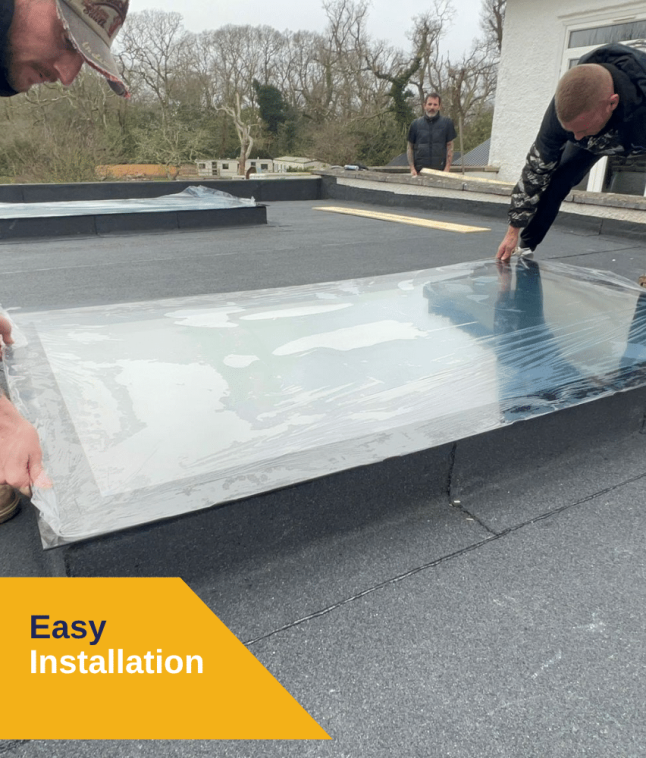
Before fitting rooflights, several crucial aspects need to be addressed to guarantee a successful integration into the building. To begin with, the structural integrity of the roof must be assessed, confirming that it can accommodate the extra weight and alterations. Local planning permissions and building regulations are equally important; familiarising yourself with these requirements can help circumvent future problems.
Additionally, the alignment of the rooflight affects natural light intake, so precise placement is crucial for optimal illumination. Moreover, the type of glazing is important for durability and insulation; opting for materials that reduce heat loss and enhance light intake is paramount.
Finally, potential water ingress ought to be handled through suitable waterproofing and drainage methods. All of these considerations plays a role in the effectiveness and longevity of roof glazing units, rendering detailed planning necessary for every installation undertaking.
Enhancing Energy Efficiency With Rooflights
While many homeowners seek aesthetic enhancements through rooflights, their potential to boost energy efficiency is equally significant. Rooflights enable natural light to pour into interior spaces, reducing the reliance on artificial lighting during daytime hours. This strategic use of daylight can lead to lower electricity bills and a reduced evidence carbon footprint.
Furthermore, contemporary rooflights frequently feature high-performance glazing, which works to regulate inside temperatures by minimizing heat loss in winter and eliminating overheating throughout summer. This heat-regulating capability contributes to a more pleasant indoor atmosphere, reducing the need for artificial heating and cooling.
Additionally, the incorporation of rooflights with automated solutions can maximize energy management. Automated systems can adjust shading based on sunlight conditions, ensuring optimal efficiency. By capturing the potential of natural light, homeowners can develop a environmentally conscious living space that not only enhances aesthetics but also supports energy conservation and sustainable practices.
Frequently Asked Questions
How Do Rooflights Affect Indoor Temperature Control?
Skylights significantly impact internal temperature control by allowing natural light to enter, minimising the need for man-made lighting and heating systems. They assist in maintaining a well-regulated thermal atmosphere, enhancing comfort and energy efficiency within the space.
Can Rooflights Be Used on Flat Roofs?
Rooflights are indeed suitable for flat roofs, offering natural light and improving the aesthetic appeal. They demand careful installation and upkeep to ensure proper drainage and avoid leaks, establishing them as a preferred selection for contemporary architecture.
What Maintenance Do Rooflights Require?
Rooflights demand routine upkeep, such as clearing the glazing to avoid dirt accumulation, inspecting seals for leaks, assessing for any structural damage, and ensuring proper drainage. This regular maintenance preserves performance and extends the longevity of the installation.
Can Rooflights Be Added to Already Existing Structures?
That's correct, rooflights may be added to buildings that are already standing. A thorough structural assessment and careful planning are essential to ensure safety and compatibility. Seeking professional installation is advisable to handle any challenges that may arise and make the most of the benefits of natural light.
What Are the Most Popular Materials Used in Rooflights?
Common materials used for rooflights include polycarbonate, acrylic, and glass. Each material offers distinct advantages, such as transparency, insulation properties, and durability, making them suitable for various architectural applications and aesthetic preferences.